Choose your language
Ensuring gender equality when asking questions
In many classrooms around the world, boys and girls do not always receive the same opportunities to participate. Often this happens without the teacher realising it. Teachers may ask more questions to boys, give them more attention, or encourage them more in certain subjects. Cultural expectations can also affect how confident girls feel speaking in class. Think about your own classroom — do boys and girls participate equally? Are there situations where girls might feel less confident speaking?
Q2: Which of these situations have you observed?
- Gender bias in classrooms is often unintentional
- Teachers may unknowingly give more attention to boys
- Encouraging equal participation can significantly improve confidence and learning outcomes for girls
- You can easily make small changes to have a big impact in your classroom
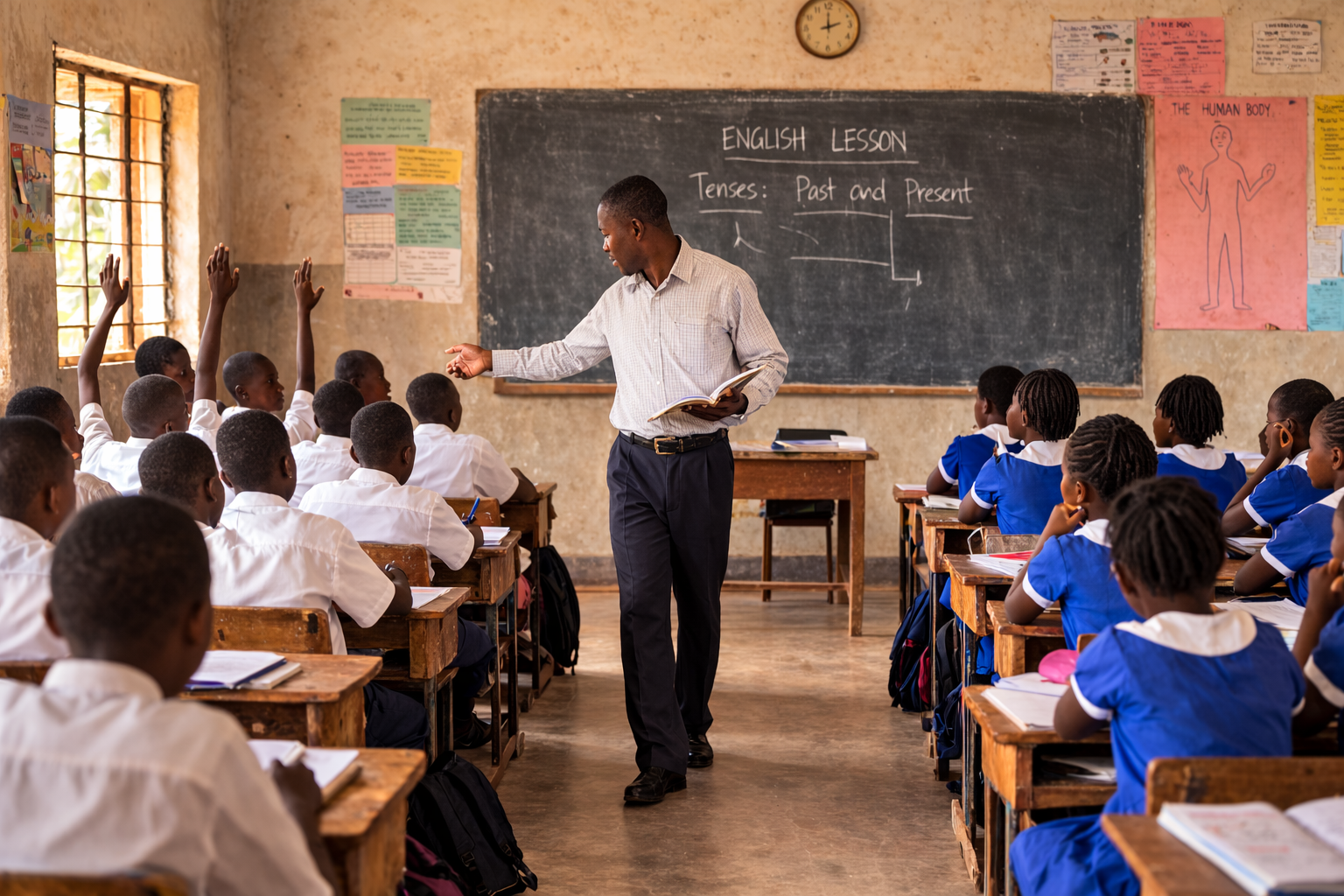
Look carefully at the picture. Think about: where the teacher is standing, where the teacher is looking, and which students have their hands up.
- The teacher may give boys more opportunities to speak
- Boys may feel more confident speaking in front of the class
- Girls may feel nervous about speaking publicly
- Cultural expectations may discourage girls from speaking
- The teacher may not realise that he is calling on the same students repeatedly
- The teacher needs the lesson to move along and doesn’t give enough time to all students to respond
In this classroom, boys are seated on one side of the room and girls on the other. Without realising it, the teacher often turns his body slightly towards the boys’ side. His shoulders and eye contact are directed more towards the boys.
- The teacher’s body language is directed more towards the boys — this may encourage them to answer more often
- The teacher may not notice when girls have their hands raised
- Even small signals such as eye contact, body direction, and where the teacher stands can influence which students feel comfortable participating
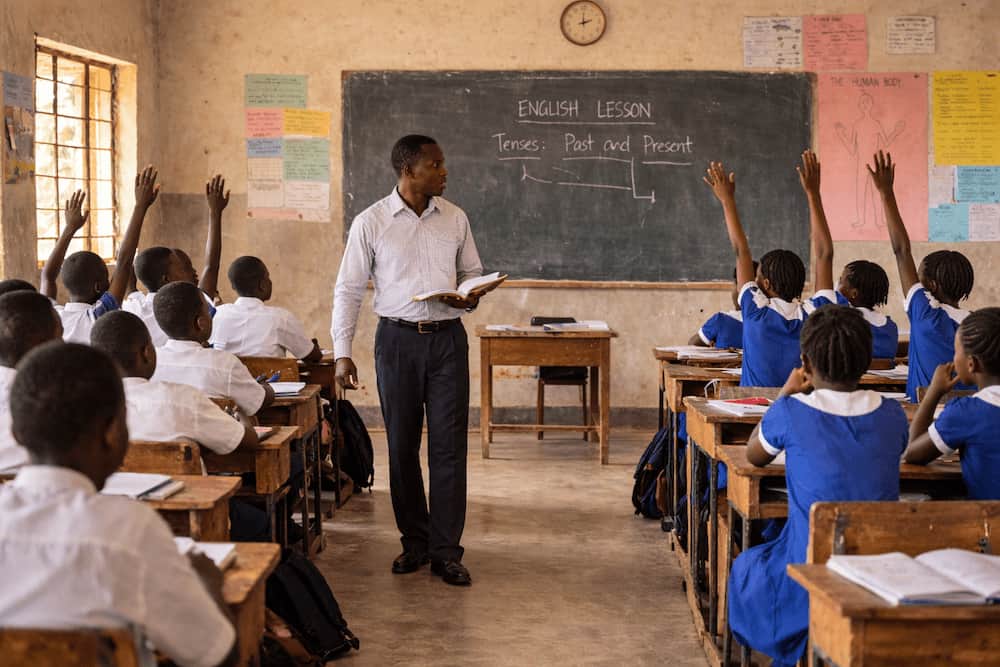
Write your ideas for each strategy in the table below.
| Teaching Strategy | Your ideas |
|---|---|
| Who answers questions | |
| Teacher body language | |
| Teacher position in the classroom | |
| Praise and encouragement | |
| Waiting time |
These are some ideas you can try to create safe opportunities for all students to ask questions and express ideas in class. Even small changes in classroom practice can help create a learning environment where all students feel comfortable participating.
| Teaching Strategy | Action |
|---|---|
| Who answers questions | Asking questions equally to boys and girls |
| Teacher body language | Talking equally to both sides of the class |
| Teacher position in the classroom | Moving around the classroom so attention is shared more evenly |
| Praise and encouragement | Giving equal praise and encouragement to all students |
| Waiting time | Giving students time to think before answering |
Q6. Watch the video below of teachers talking about the changes they made.
In the previous activity, we looked at how boys and girls sometimes participate differently in class discussions. Now listen to three teachers talking about small changes they made to encourage more balanced participation. “I realised I was asking more questions to boys without noticing. When I started paying attention, I saw the same students answering again and again.” “I began keeping track of who answered questions. Sometimes I would write small marks on my lesson plan so I could see if I was asking boys and girls equally.” “In my class, some girls were shy about speaking. So I sometimes ask them questions after group work, when they feel more confident.” “I also started giving students a few seconds to think before answering. This helped quieter students feel ready to speak.” “I now move around the classroom when asking questions, so I am not always facing the same students.” “These are small changes, but they helped more students feel confident to participate.” Encouraging equal participation does not require big changes. Often, small adjustments in how we ask questions can make a big difference. .
Q7. For each strategy, choose the option that best describes where you are now.
- Gender bias in classrooms is often unintentional — most teachers do not realise it is happening
- Teachers may unknowingly give more attention, more questions, and more thinking time to boys
- Encouraging girls to speak builds confidence and improves participation for everyone
- Gender-neutral language and equal praise help challenge stereotypes every day
- Equal opportunities in all activities support fair learning environments for all students
How useful did you find this lesson? Leave a rating and a comment to help other teachers.