Choose your language
Reflecting on your own teaching
Every teacher finishes some lessons feeling proud, and others feeling tired or unsure. But how often do we stop and think about why?
Reflecting on your teaching does not mean writing a long journal. It means asking yourself simple questions, even for one minute. What worked today? What did not? What will I try differently tomorrow?
When teachers reflect, they grow. When they do not, they stay the same. Today, let us look at how to make reflection a small, regular habit.
Q2: Which of these stop you from reflecting on your teaching? (Tick all that apply)
- All of these are very common — you are not alone
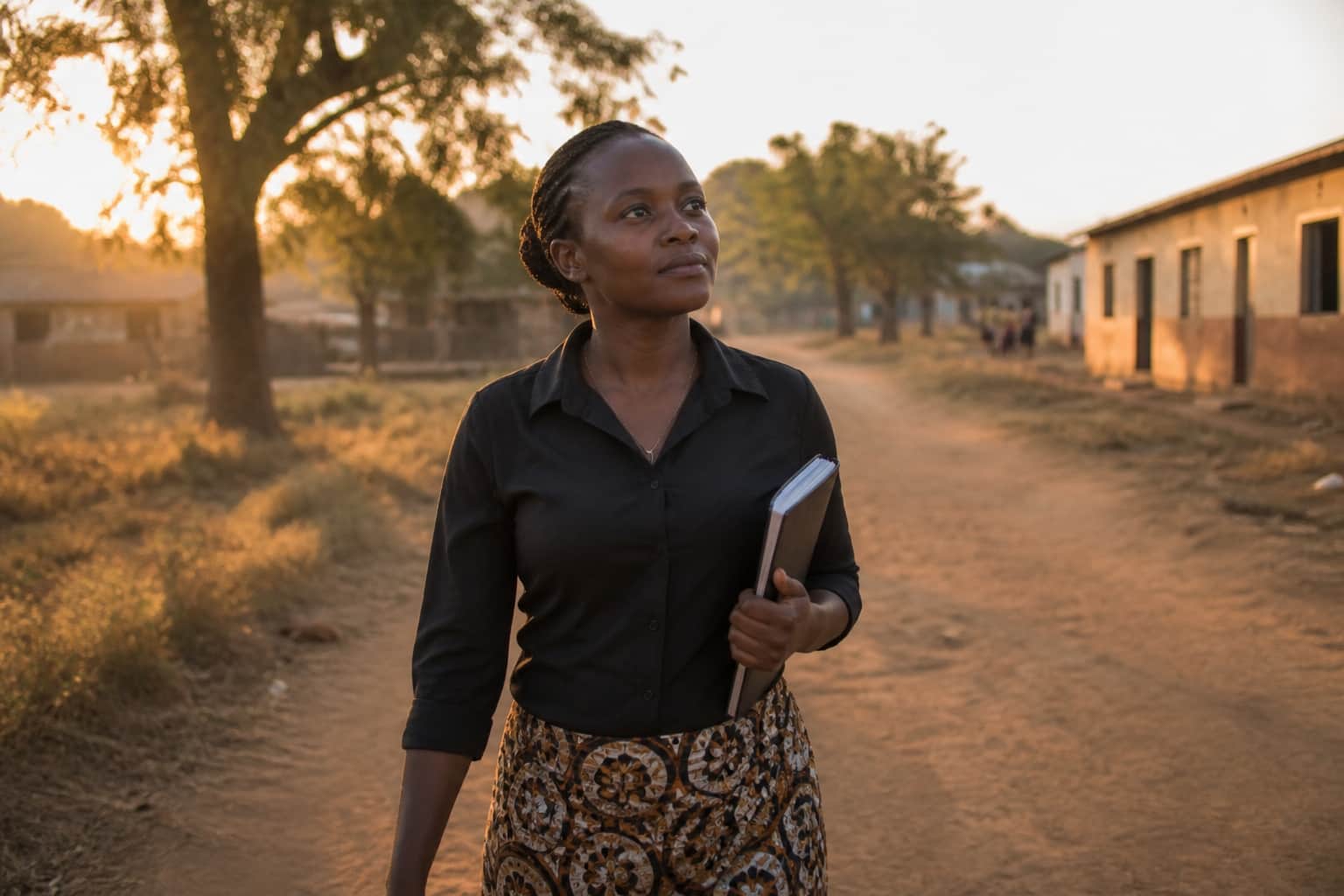
- Reflection does not need a journal, a quiet room, or extra hours — it can be one question, walking home
- The most experienced teachers often reflect the most — that is why they keep growing
- Honesty gets easier with practice — nobody has to read what you think
- Even one minute of reflection a day is more than most teachers do
Good reflection has three qualities. It is small (one or two minutes is enough), it is regular (a habit, not a special event), and it is honest (you look at what really happened, not what you wish had happened). When one of these is missing, reflection stops happening or stops being useful.
Be honest. Try to write one specific thing for each — not “the lesson was okay” but “students answered my first question quickly, but lost focus halfway through.”
- Most teachers find “what went well” harder than “what did not” — we notice problems faster than successes
- Try to be specific — “the warm-up worked” tells you nothing, but “students all answered when I gave 10 seconds to think first” tells you something useful
- If you notice the same problem two lessons in a row, that is your next thing to work on
- If something went well, ask — can I do this again tomorrow?
Q4. Read these five ways to reflect. Which one fits your day best? You do not need to use them all. Pick one or two that feel possible.
Q6. Watch the video below. Listen for which approach feels most like something you could do.
Host: Many teachers want to reflect, but they do not know how to start, or they feel they have no time. Listen to three teachers. They share their problems first, then what they changed.
Teacher 1: I felt I was teaching the same way for years. Some lessons went well, some badly. But I never knew why. I just moved on to the next class.
Teacher 2: I tried to keep a journal once. I wrote two pages on the first day. After three days, I stopped. It was too much.
Teacher 3: I thought reflection was for new teachers. I have twenty years of experience, so I thought I did not need it.
Teacher 1: Now I ask myself one question at the end of every lesson. Just one. What worked? Or what was hard? I write the answer in two lines in the back of my notebook. Two minutes. That is all.
Teacher 2: I stopped writing pages. Now I just talk to a colleague for five minutes after school. We share one thing that went well and one thing that did not. It feels good and we both learn.
Teacher 3: I started watching one student each lesson. Just one. I noticed things I had missed for years. Reflection is not about how long you teach. It is about how closely you look.
Host: Good reflection is small, regular, and honest. It does not need extra time. It just needs a question and a moment to answer it.
Q7. For each habit, choose the option that best describes where you are now.
Choose just one. Write: which habit, when you will do it, and the question you will ask yourself.
- Good reflection is small, regular, and honest — not long, not rare, and not harsh on yourself
- One question at the end of a lesson — even just two minutes — is more useful than a journal you stop writing after three days
- Reflection does not need paper or quiet — you can do it walking home, talking to a colleague, or watching one student
- Specific reflection (“the writing task was too long”) helps you change something. Vague reflection (“the lesson was bad”) does not
- The most experienced teachers reflect the most — that is why they keep growing
How useful did you find this lesson? Leave a rating and a comment to help other teachers.