Choose your language
Including students who are different
In Lesson 1, you started to notice every student in your room. In Lesson 2, you found small habits that bring every student in. This last lesson is about students who need something extra.
A child who cannot see the board well. A child who speaks a different language at home. A child who is too hungry to think. A girl who never speaks because the boys speak first. A child who is just slower.
These students are not problems to fix. They are students who need you to make a small change — not a separate lesson, just a small change.
As you watch this lesson, hold one child in your mind. The one your teaching does not yet reach. We will give you ideas that cost nothing, that work in any classroom, and that respect that child’s dignity.
Q2: In your class right now, do you have students in any of these groups? (Tick all that apply)
- Most teachers will tick three or four of these — you are not alone
- You do not need a diagnosis to help a student — you only need to notice and adapt
- Children rarely tell you what they need. They show you in small ways: silence, copying, missing days, headaches, anger
- The same child may belong to several groups at once — a poor child who is also shy, a girl who also speaks a different language at home
- Inclusion is not about a special programme. It is about small daily choices that respect every child
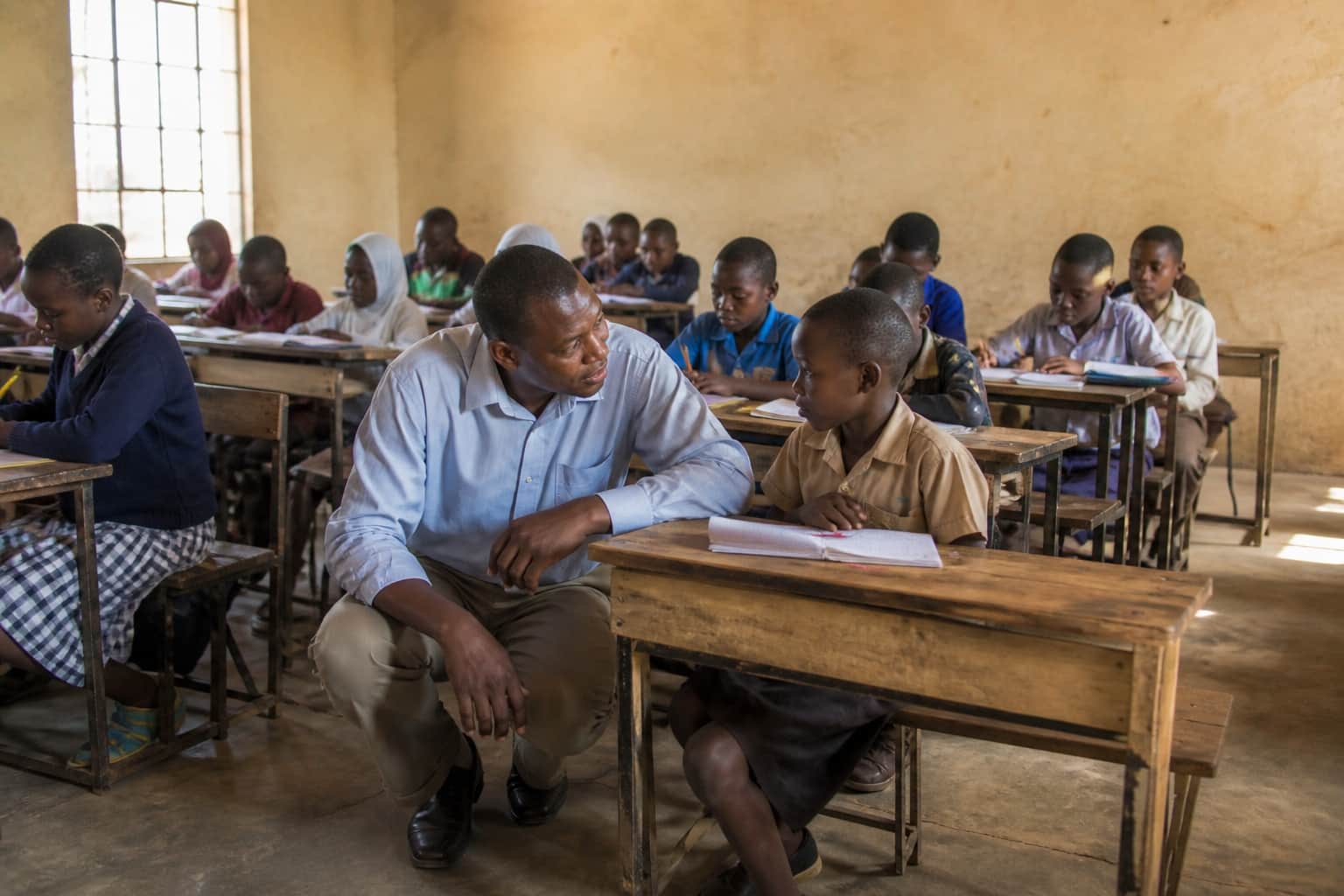
Every classroom has students who need something a little different from the rest. Below are six common groups. The descriptions are short, the practical ideas cost nothing, and they respect the dignity of the child.
A child who cannot see the board well. A child who hears in only one ear. A child who walks with difficulty. They often hide it because they do not want to be different.
Idea: move them to the front, on the side of their good ear or eyeSome children read more slowly, write more slowly, or forget instructions quickly. They are not lazy. Their brain works in a different way.
Idea: give them shorter tasks, or break the task into stepsThey may understand more than they can say. They may be silent for weeks. They are not shy — they are translating in their head.
Idea: learn three words in their language — and use themA hungry child cannot concentrate. A child with no pencil cannot write. A child who works at home is tired. A child who is absent for harvest has missed lessons.
Idea: keep a small box of spare pencils and books on your deskIn many classes, boys speak more, ask more, and take more space. Girls who know the answer may stay silent so they do not stand out.
Idea: ask girls by name — do not wait for handsSome students never raise a hand, never call out, never want to be seen. Silence is their safety. They are still learning — they just do not show it.
Idea: speak to them privately first — build trust before public asksPick one option for each scenario. Then press Check my answers to see how you did and read why each choice matters.
A girl in your class never raises her hand, even when you know she knows the answer. She sits at the back and avoids eye contact.
A new student joined your class last month. She speaks little of your language. The other students laugh when she tries to answer.
A boy in your class often falls asleep at his desk. He has no breakfast. His clothes are old. He is always missing pencils.
A boy in your class is hard of hearing. His mother has just told you. He sits at the back and is often confused by your instructions.
A student in your class is much slower than the others. She finishes only half of every task. The other students mock her.
No names — just a description. What makes them different? What have you tried so far? What is one small change you could try this week?
- The best research is often asking the student themselves — quietly, in private, without judgement
- Ask: “What would help you learn better?” You will be surprised how clear the answer is
- Families know things you do not know — if you can speak with a parent, do
- One small change is better than a perfect plan you never start
- Write the change down. Try it for a week. Then reflect — did it help?
None of these need money or special equipment. Be specific to a child you teach.
| Adaptation | How I will use it |
|---|---|
| Move a student to the front (sight, hearing, focus) | |
| Mark the most important questions for slower learners | |
| Learn a few words in a student’s home language | |
| Keep a small box of spare pencils and paper | |
| Pair a quieter student with a kind buddy | |
| Speak to a shy student privately before asking publicly |
Adaptations are small, quiet changes — not a separate lesson. Most take seconds. None cost money.
| Adaptation | How it works in practice |
|---|---|
| Move a student to the front | The most powerful change you can make for a child with a sight or hearing difficulty — or simply one who drifts. Do it kindly: “I would like you closer to me, so I can help you better.” |
| Mark the most important questions | Put a star next to the two or three questions that matter most. A slower learner who only finishes those has still learned what counts. Faster students do them all. |
| Learn a few words in their home language | Three is enough: hello, well done, and thank you. It tells the student — and the class — that their language is valued. The child relaxes. The class follows your lead. |
| Keep a small box of pencils and paper | Anyone may take one, no questions asked. The child without money is no longer the child without a pencil. They are just one of many who borrow today. |
| Pair with a kind buddy | Choose carefully — not the loudest, but the kindest. Tell the buddy quietly what you need: “Help her find the page. Read the question to her if she asks.” |
| Speak privately before asking publicly | For shy students, surprise is fear. Tell them the day before: “Tomorrow I will ask you about question 3. I know you will do well.” Now they can prepare. |
Q6. Watch the video below. Three teachers each describe one student and one small change. Which story reminds you most of a child in your class?
Host: In our final video, three teachers each talk about one student who was being missed, and the small change they made. Listen for the change. It is always something small.
Teacher 1: I had a boy in my class who was deaf in one ear. I did not know for months. He always sat near the back, and he was always quiet. When his mother told me, I was ashamed I had not noticed. I moved him to the front, on the side of his good ear. I stopped talking while I wrote on the board, so he could read my face. That was all. His marks went up the next term. He told me, “Madam, now I understand.”
Teacher 2: One of my students came from a family that had just moved here. She did not speak our language. The other students laughed when she tried to answer. I learned three words in her language — hello, well done, and thank you. I used them with her every day. The class started copying me. After two months, she was answering questions. The day she said her first full sentence in our language, the whole class clapped. They had become her teachers.
Teacher 3: I noticed a boy who never had a pencil. He always borrowed. The other children teased him. I bought a small box of pencils and put it on my desk. Anyone who needed one could take one, no questions. After a week, it was normal. He stopped being the “boy with no pencil.” He was just a student like the others.
Host: None of these teachers had special training. None had extra money. They just noticed one student, and made one change. That is what including students who are different really means.
Q7. For each adaptation, choose where you are now.
Keep it small. The smaller the change, the more likely you are to actually do it.
- Dignity, not pity — every student in your class has the same right to learn, no matter what makes them different
- Small adaptations work better than separate lessons — a moved seat, a starred question, a borrowed pencil
- Asking the student is often the best research — quietly, in private, with kindness
- Families and the community are partners — they know things about the child you do not
- You will not reach every student perfectly — but you can reach one more, this week, than you did last week
You have completed all three lessons in the Inclusion series. Noticing. Including every student. Including students who are different. Inclusion is not finished — it is a daily choice. Come back to these lessons whenever you need a reminder.
How useful did you find this lesson? Leave a rating and a comment to help other teachers.