Choose your language
Noticing who is included
In every classroom, some students are very visible. They put up their hands. They answer questions. They sit at the front. We see them every day.
But what about the other students? The quiet ones. The ones at the back. The ones who never speak. Do you know all your students equally well?
This lesson is about noticing. Before we can include every student, we need to see every student. Think about your last lesson. Who spoke? Who did not?
Q2: Which of these things have you noticed in your classroom? (Tick all that apply)
- If you ticked any of these, you are not alone — almost every teacher does
- Noticing these patterns is the first step — you cannot change what you do not see
- This lesson is not about blame — it is about awareness
- The students who are easy to notice are not always the ones who need you most
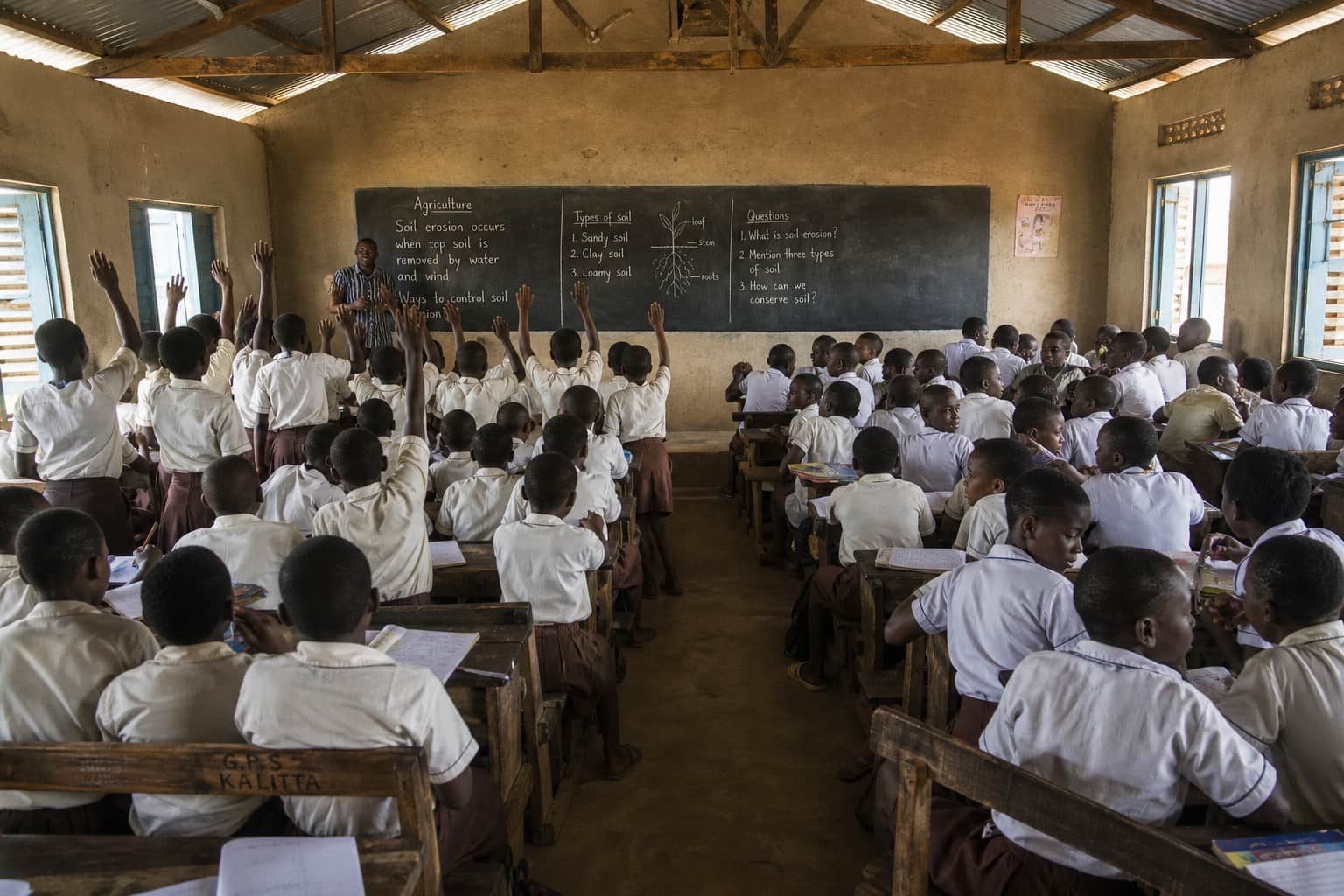
Most teachers want to include every student. But our attention follows familiar patterns — ones we do not always see. Here are three of the most common.
Teachers speak most to students who sit close. Students who sit at the back may go a whole day without a word from us.
It feels easier to ask the students who put up their hands. The same five or six children answer everything — and the rest learn to stay silent.
Bright students give the answers we want, so we turn to them. Slower learners, shy students, and absent students slowly fall behind.
The students whose names you remember first are the ones you talk to most. The ones whose names you forget rarely get your attention.
Choose the answer you think is best. There is one right answer.
Choose a student who is quiet or who you rarely think about. Be honest. If you cannot answer, that is useful information.
- If you struggled to write much, that is normal — and it is the start of change
- The students we know least are usually the ones who need us most
- You do not need to know everything — one short conversation a day with a quiet student is enough to start
- This is not extra work. It is teaching better.
These tools cost nothing. Each one helps you see your class more clearly.
| Tool | Your ideas |
|---|---|
| Mark your register when you speak to a student | |
| Greet every student by name at the door | |
| Move around the room as you teach | |
| Choose names instead of asking for hands | |
| Ask: who has not spoken today? |
Each of these is small — and that is the point. Awareness grows with simple habits, not big plans.
| Tool | Why it works |
|---|---|
| Mark your register when you speak to a student | A small tick or dot next to a name every time you speak to that student. Look at it at the end of the day. The pattern is always surprising. |
| Greet every student by name at the door | It takes two minutes for a class of 50. Every student hears their name. Quiet students start to feel seen, sometimes for the first time. |
| Move around the room as you teach | Teachers who stay at the front speak mostly to the front. Walking to the back of the room changes who you notice and who notices you. |
| Choose names instead of asking for hands | Hands-up favours the confident few. Choosing names — gently, with thinking time — spreads attention across the class. |
| Ask: who has not spoken today? | Make this question a habit. End each day with the names of three students you did not reach. Tomorrow, start with them. |
Q6. Watch the video below. Listen for the small change each teacher made. Which one feels closest to your classroom?
Host: We have just thought about who we notice in our classrooms. Now listen to three teachers. They share what they discovered, and what they did.
Teacher 1: For years I thought I was a fair teacher. Then I started counting. In one lesson, I asked twelve questions. Eleven went to the same six boys at the front. I had thirty-eight other students.
Teacher 2: I had a girl in my class. She came every day for a whole term. She never spoke. I never asked her name. When I finally did, she cried. She thought I did not see her.
Teacher 3: I have a student who learns very slowly. I used to spend my time with the bright students because it felt easier. Slowly, I realised I was leaving him behind every single day.
Teacher 1: Now I make a small mark on my register every time I speak to a student. At the end of the day I look. Some students have ten marks. Some have none. The marks show me the truth.
Teacher 2: I now greet every student by name at the door. It takes two minutes. It tells every child: I see you. The quiet girl smiles now. She has started answering.
Teacher 3: I changed where I stand. I used to stay at the front. Now I move around. I stop at every desk at least once. The slower students get my time too.
Host: Including every student starts with seeing every student. When teachers begin to notice, real change becomes possible.
Q7. For each habit, choose where you are right now.
Write the habit, when you will do it, and how you will check yourself at the end of the week.
- Inclusion starts with awareness — you cannot include students you have not noticed
- Most teachers reach the same small group of students again and again, without realising it
- Common patterns are the front-row effect, the volunteer trap, the fast-learner pull, and the name gap
- Small habits — ticks on a register, names at the door, walking to the back — show you what you missed
- The students you know least are usually the ones who need you most
You have completed Lesson 1: Noticing who is included. Now that you can see who is in your class, the next lesson moves on to action: practical ways to include every student in every lesson.
Next: Including every student →How useful did you find this lesson? Leave a rating and a comment to help other teachers.