Choose your language
Making homework work
Homework. For many teachers, it is one of the most difficult parts of the job. You set it. Some students do it. Many do not. You spend time marking it. But does it really help students learn?
Think about the homework you give. Do most of your students complete it? Do they understand why you are giving it? And when they bring it back, do you have time to use it in the lesson?
Q2: Which of these problems do you experience with homework? (Tick all that apply)
- All of these problems are very common — you are not alone
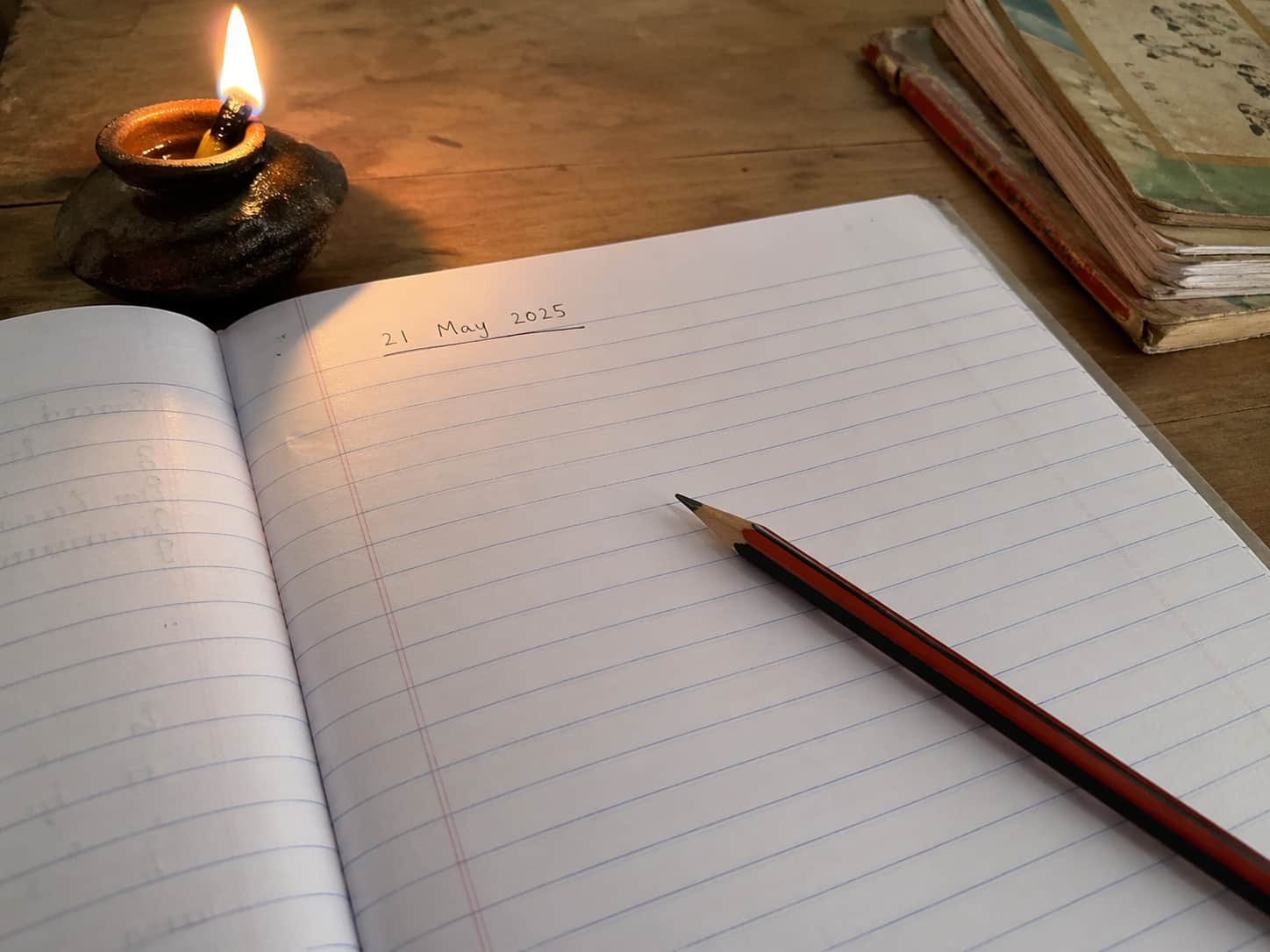
- In many low-resource settings, students face real barriers at home: no light, no quiet space, family responsibilities
- If homework is not used in the lesson, students quickly learn it does not matter — so they stop doing it
- The solution is not to give more homework — it is to give better homework and use it more effectively
Good homework has three qualities. It is possible (students can do it without help), it is purposeful (it connects clearly to learning), and it is used (the teacher does something with it in the next lesson). When one of these is missing, homework stops working.
Drag each task into a box, or tap a task and then tap the box you want to put it in. Use the green box for tasks you think will work, and the red box for tasks you think will fail.
Tasks that fail are too long, need equipment students may not have (internet, books), or ask students to do new learning alone — which leads to copying or giving up.
The best homework tasks can also be spoken or done mentally — not everyone has light or paper at home. “Think about three examples of X” costs nothing and is hard to copy.
Be honest. Could all your students do it at home? Did it connect to learning? Did you use it in the next lesson?
- Most teachers find that their homework fails on at least one of the three qualities — this is normal and fixable
- The most common failure is “used” — teachers set homework, collect it, and then move on without using it
- If you use homework in the next lesson — even for just two minutes — students see it matters and start completing it more
- Ask yourself: “Could my weakest student do this at home, alone, without help?” If not, the task needs to be simpler
Think about how you set homework, what you ask students to do, and what happens when they bring it back.
| Strategy | Your ideas |
|---|---|
| Make the task shorter and simpler | |
| Explain why the homework matters | |
| Use homework at the start of the next lesson | |
| Let students check each other’s homework | |
| Give homework that needs no resources |
Small changes to how you set and use homework can make a big difference to completion rates and learning.
| Strategy | Why it works |
|---|---|
| Make the task shorter and simpler | 10–15 minutes is enough. One clear task is better than three vague ones. Students are more likely to start something that feels possible. |
| Explain why the homework matters | “This will help you remember today’s vocabulary” is more motivating than just “do pages 12 to 14.” Students need a reason. |
| Use homework at the start of the next lesson | Even two minutes is enough. Ask three students to share their answers. This shows homework matters — and completion rates rise. |
| Let students check each other’s homework | Peer checking saves your time, gives students feedback fast, and creates discussion. It also reduces copying because students know they will share. |
| Give homework that needs no resources | “Think of three examples” or “Practise saying these words” can be done anywhere, with no pen or paper. This is fair for all students. |
Q6. Watch the video below. Think about which change is easiest for you to try first.
Host: We have just looked at why homework often does not work, and what good homework looks like. Now listen to three teachers. They share their problems first, then the changes they made.
Teacher 1: I used to set long homework tasks. Copy this page. Write this essay. Most students did not do it. The ones who did just copied from a friend.
Teacher 2: I set homework every week, but I never had time to mark it. So I stopped collecting it. Then students stopped doing it. It was a bad cycle.
Teacher 3: My students wanted to do homework, but many had no electricity at home. Writing tasks were difficult in the dark. Some students felt ashamed when they could not complete it.
Teacher 1: Now I give one small task. Just one. Something like: write three sentences using today’s vocabulary. Short. Clear. Possible. Completion went from maybe five students to almost all of them.
Teacher 2: I stopped marking homework myself. Now, at the start of every lesson, students compare their answers with a partner. They check each other. I walk around and listen. It takes three minutes and everyone is involved.
Teacher 3: I now give tasks that do not need a pen or paper. Think of five examples. Practise saying this out loud. Ask someone at home this question. Every student can do these tasks, even without light or books.
Host: The best homework is short, clear, and used. When students see that homework matters in the next lesson, they start doing it.
Q7. For each strategy, choose the option that best describes where you are now.
Write the exact task you will give students. Then write: how long will it take? Why does it matter? How will you use it next lesson?
- Good homework is possible, purposeful, and used — if one of these is missing, homework stops working
- Long or difficult tasks lead to copying or not doing it at all — one short, clear task is better
- Many students face real barriers at home: no light, no quiet space, no materials — tasks that need no resources are fairer for everyone
- Using homework at the start of the next lesson — even for two minutes — shows students it matters and increases completion
- Peer checking saves marking time, gives students fast feedback, and creates useful discussion
How useful did you find this lesson? Leave a rating and a comment to help other teachers.