Choose your language
Observing other teachers
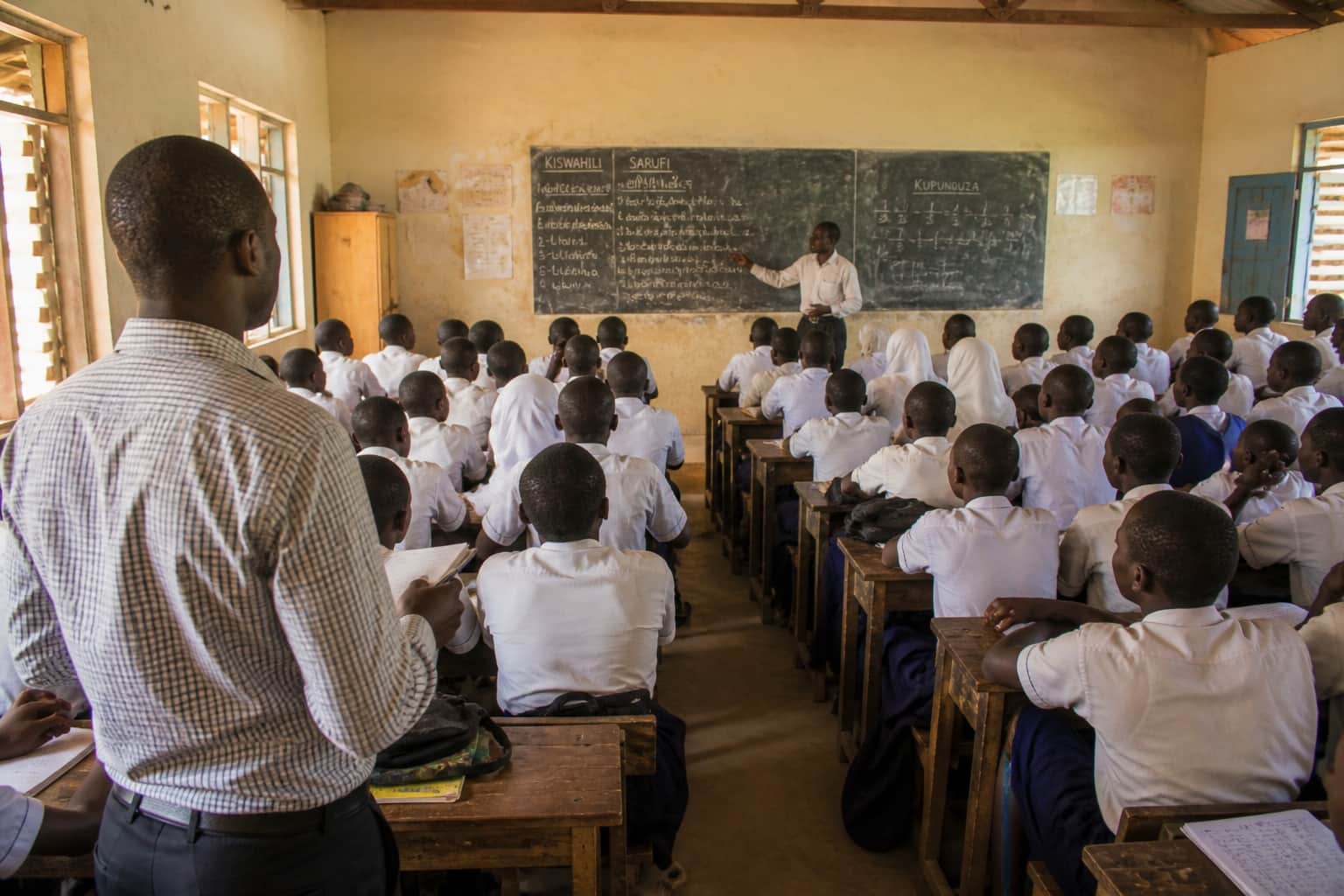
Watching another teacher teach is one of the best ways to learn — but in many schools, it almost never happens.
Teachers say there is no time. Or they feel shy about asking. Or they think observation is only for inspectors.
But you do not need a formal system. You can learn from a five-minute look through a window. From watching a colleague handle a difficult class. From a quick chat in the staffroom. Today, let us look at how to make observation a small, real part of how you grow.
Q2: Which of these stop you from watching other teachers? (Tick all that apply)
- All of these are very common — and most are about feelings, not real barriers
- You can learn a lot in five minutes — you do not need a free hour
- Observation between teachers is different from inspection — it is friendly, not for marks
- You do not need a system — you just need one colleague who agrees
- Experienced teachers learn most from watching new teachers — fresh eyes see new things
- Knowing what to look for makes a huge difference — we will look at this in this lesson
Good observation has three qualities. It is focused (you watch one specific thing, not everything), it is safe (the teacher being watched does not feel judged), and it is followed by talking (you share what you noticed afterwards). When one is missing, observation either fails or makes things worse.
Drag each item into a box, or tap an item and then tap the box you want to put it in. Use the green box for good things to watch for, and the red box for things that will not help you learn.
Things that will not help you learn are too big (everything at once), or about judging instead of learning. “Is the teacher better than me?” turns observation into competition. Watching for mistakes to report breaks trust — nobody will let you watch them again.
Tip: Before you observe, agree one focus with the teacher. “I want to watch how you start the lesson.” That is enough.
Be specific. Pick one thing — something you find hard, or something they do well. Not “everything they do.”
- You learn most when you pick something you struggle with — how do they keep the class quiet? How do they ask questions?
- You can also learn by watching a teacher do something differently from you — not better or worse, just different
- You do not have to watch the “best” teacher — every teacher does some things well
- Pick one thing. Write it down. Tell the teacher in advance. Then watch only for that
Think about who you could ask, when you could find time, and how you would talk afterwards.
| Strategy | Your ideas |
|---|---|
| Ask a colleague you trust first | |
| Agree one focus before the lesson | |
| Watch for just 10 to 15 minutes | |
| Talk afterwards — ask, do not judge | |
| Notice what happens through open doors |
You do not need a school system or permission from the head teacher to do most of these. They are between you and one colleague.
| Strategy | How it works |
|---|---|
| Ask a colleague you trust first | Start with one teacher you already get on with. It feels safer for both of you. Once you have done it once, it is easier to do again. |
| Agree one focus before the lesson | Decide together: “I want to watch how you handle wrong answers” or “I want to see how you start the lesson.” This protects them from feeling watched on everything. |
| Watch for just 10 to 15 minutes | You do not need a free period. Use a break, a study time, the start or end of a lesson next door. Short and focused works better than long and vague. |
| Talk afterwards — ask, do not judge | Start with: “I noticed…” or “Why did you…?” Never start with “You should…” The point is to learn, not to give advice. |
| Notice what happens through open doors | You do not always need to be inside the room. Walking past, picking up a book, waiting for a class — you can notice a lot in 30 seconds. Take that idea back to your own class. |
Q6. Watch the video below. Listen for which approach you could try first.
Host: Many teachers want to learn from others, but observation rarely happens. Listen to three teachers. They share their problems first, then what they changed.
Teacher 1: I never asked to watch other teachers. It felt strange. Like I was saying my own teaching was not good enough. So I just stayed in my own classroom.
Teacher 2: Once a year, an inspector watched my lesson. I was nervous. They wrote a report I never read. That was all the observation I ever had.
Teacher 3: I was the most experienced teacher. Younger teachers came to watch me. But nobody ever told me what I could learn from them.
Teacher 1: Now I ask one colleague each term. Just one. I say: can I watch your first ten minutes? I watch how you start. That is all. It is small, it feels safe, and I always learn something.
Teacher 2: I started looking through the open door when I walked past other classrooms. Just for thirty seconds. I noticed things — how a teacher moved, how she asked questions. I took those small ideas back to my own class.
Teacher 3: Now I ask the younger teachers what they noticed when they watched me. Their fresh eyes see things I miss. Last month, a new teacher told me my voice gets quieter when I am tired. I never knew.
Host: Observation does not have to be formal. A short look, a focused question, a real conversation — these are how teachers really learn from each other.
Q7. For each strategy, choose the option that best describes where you are now.
Pick one colleague. One focus. One small step.
- Good observation is focused, safe, and followed by talking — if any of these is missing, it stops working
- You do not need a school system — one colleague who agrees is enough
- Pick one focus before you start: how the lesson begins, how questions are asked, which students stay silent
- Short observations work — 10 to 15 minutes is enough; even 30 seconds through an open door teaches you something
- Always start the conversation afterwards with “I noticed…” or “Why did you…?” — never with “You should…”
How useful did you find this lesson? Leave a rating and a comment to help other teachers.